What Makes a Neighborhood Feel Safe — Even Before You Check Crime Rates
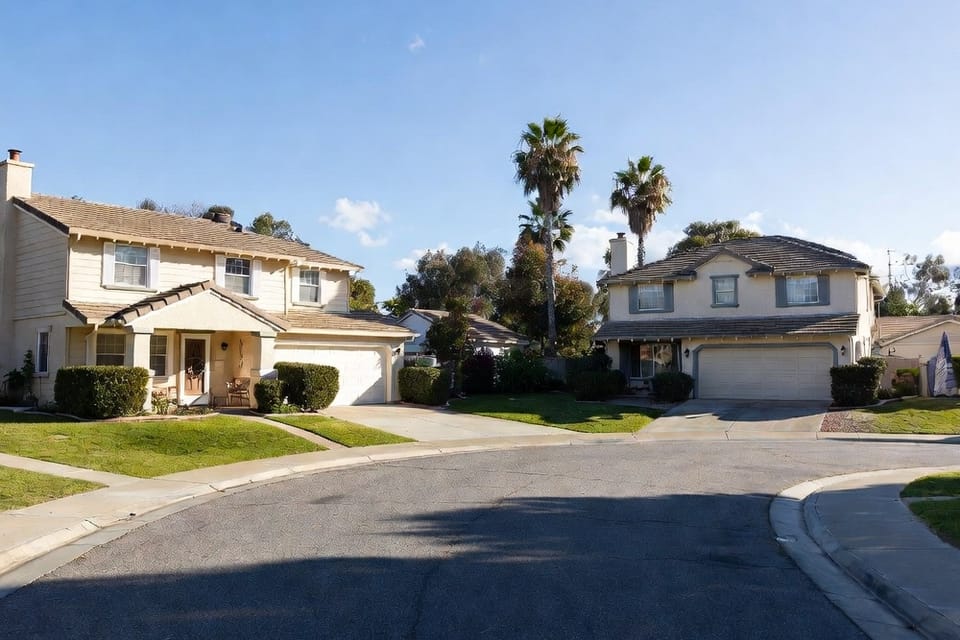
When people start searching for a home in Silver Springs or anywhere across Central Florida, one of the first questions they ask is simple: "Does this neighborhood feel safe?" And here's the interesting thing — most buyers answer that question before they ever look at a single crime statistic. They answer it with their eyes, their gut, and a few quiet minutes sitting in the car.
That gut feeling is not random. It is based on real signals that researchers, seasoned real estate agents, and longtime homeowners all recognize. At Acarta Realty, we work with buyers throughout North Central Florida every day, and we hear this topic come up. So let's walk through what those signals actually are — and what they mean for anyone buying a home in this part of the state.
People Are Outside — And That Matters More Than You Think
One of the clearest signs of a healthy, safe neighborhood is simple: people are out living their lives. Kids riding bikes. Neighbors talking over a fence. Someone walking a dog down the street in the early evening. A couple jogging past. These are not small details.
When residents feel comfortable being outside, it tells you something important: they trust their surroundings. A neighborhood where porches are empty and streets are always quiet — not because it's a peaceful rural area, but because people stay locked inside — often carries a different kind of story.
In Silver Springs and the surrounding Marion County communities, you will find neighborhoods where residents are genuinely connected to each other. That sense of community is one of the reasons so many families keep choosing this part of Central Florida.
The Condition of the Homes and Yards Tells a Story
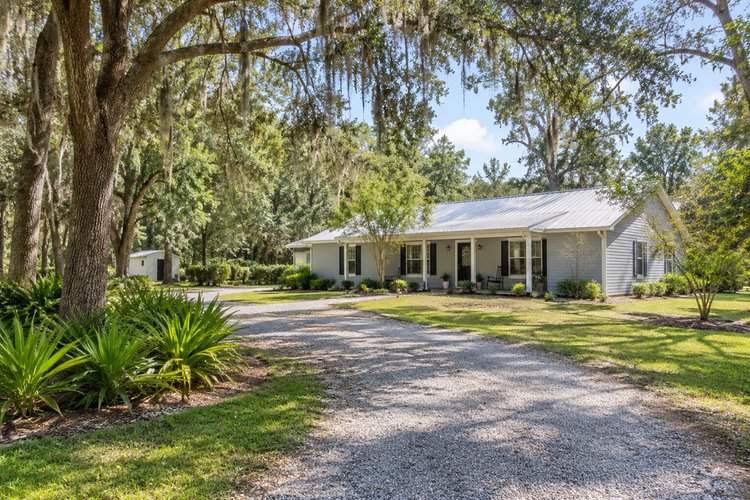
You do not need a data report to read a street. Take a slow drive and look around. Are the lawns maintained? Are the homes painted and in good repair? Are there broken windows, overgrown lots, or properties that look like no one cares?
Well-kept homes signal something beyond just pride — they signal that people have invested in the neighborhood and plan to stay. When homeowners take care of their properties, it usually means they feel secure, they have roots there, and they expect their neighbors to do the same.
This is true across Central Florida, from newer subdivisions to older, established neighborhoods near Silver Springs. The streetscape is a mirror. It reflects whether a community is thriving or slowly being left behind.
Active Local Businesses and Amenities Signal Stability
A neighborhood with thriving local shops, restaurants, parks, and services is a neighborhood with economic health. Empty storefronts and shuttered businesses, on the other hand, can point to deeper issues — population decline, economic stress, or a community that has lost momentum.
Central Florida has seen enormous growth over the past decade, and that growth has brought a wave of new amenities to communities that were once considered off the radar. Silver Springs, for example, sits near Silver Springs State Park — one of Florida's most visited natural attractions — and benefits from steady visitor traffic, local investment, and a growing base of permanent residents.
When a neighborhood has things to do and places to go nearby, people are out more, businesses invest more, and the whole community tends to take better care of itself. That cycle of investment and attention is one of the strongest predictors of long-term neighborhood health.
Schools and Families: A Connected Indicator
Even if you do not have school-age children, the presence of active, well-regarded schools nearby is a positive sign for any neighborhood. Families with children tend to be long-term, stable residents. They attend local events, participate in neighborhood groups, and care deeply about where they live.
Marion County has a mix of public schools, charter schools, and private options that attract a wide range of families. In Silver Springs and the nearby communities, families are choosing to plant roots — and that commitment shows in the quality of the neighborhoods themselves.
Neighborhood Watch Signs and Community Groups
It may sound old-fashioned, but a Neighborhood Watch sign posted at the entrance of a street is genuinely meaningful. It says that residents have organized, that they communicate with each other, and that they have made a collective decision to look out for one another.
Beyond formal watch programs, look for signs of community engagement: well-maintained common areas, community bulletin boards, HOA flags, holiday decorations that suggest people celebrate together. These are soft indicators — but they paint a picture of a neighborhood where people feel ownership and connection.
What the Streets Actually Look Like After Dark
Good street lighting is a practical safety feature, but it is also a proxy for something else: how much a local government or HOA invests in the community. Streets with working lights, maintained sidewalks, and good visibility show that the neighborhood has ongoing attention and care from whoever manages it.
If you are seriously considering a home, make one visit in the evening. Notice how lit the streets are, whether people are still out, and how the neighborhood feels when the sun goes down. It is one of the most honest tests you can do.
So When Should You Actually Check Crime Rates?
Once you have done the fieldwork — driven the streets, visited at different times, talked to a neighbor or two — then yes, check the numbers. Use tools like the FBI Crime Data Explorer or local police department reports to get a broader picture. But use those numbers to confirm or challenge what you already observed, not to replace your own eyes.
At Acarta Realty, we always encourage buyers to spend real time in a neighborhood before making a decision. Numbers can be misleading. Context matters. A neighborhood with slightly higher reported incidents near a busy commercial area may feel far safer day-to-day than a quiet street where no one seems to know their neighbors at all.
Why Silver Springs and Central Florida Keep Drawing Buyers
There is a reason that Silver Springs and the broader Marion County area continue to attract buyers from all over Florida and beyond. The natural beauty here — the springs, the state parks, the towering live oaks — draws people in. But what makes them stay is the community.
Central Florida outside of the theme park corridors offers something increasingly rare: a manageable pace of life, genuine neighborliness, and room to breathe. Neighborhoods here tend to be the kind where people know each other, where kids actually play outside, and where you can still wave to someone and have them wave back.
If you are thinking about buying a home in Silver Springs, Ocala, or anywhere in Central Florida, the team at Acarta Realty can help you find not just a house — but a neighborhood that feels right from the moment you turn down the street. We know this area deeply, and we believe that where you live matters just as much as the home itself.
Ready to find your neighborhood? Contact Acarta Realty today.