Buying a Home in Silver Springs: Wells, Septic & Access
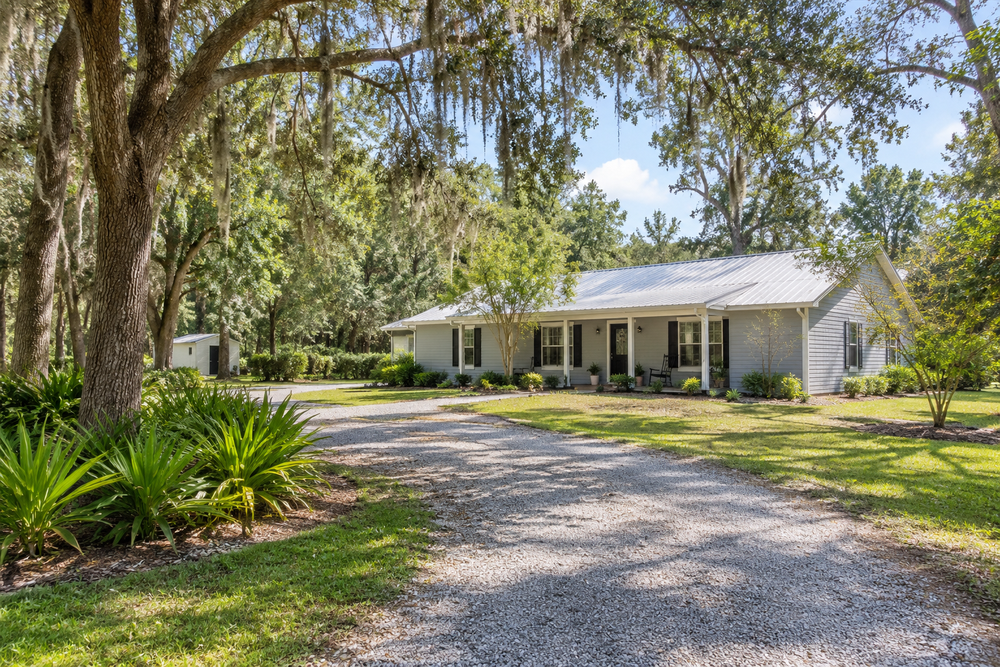
Buying a home in Silver Springs, Florida, can mean more space and a quieter setting. Some homes in Silver Springs and nearby Central Florida communities use private wells and septic systems or sit on unpaved or shared roads.
These features are not automatically problems, but buyers should understand how they work before committing to a property. Acarta Realty encourages buyers to look beyond the house itself and check the systems and access that make everyday living possible.
Ask These Questions About the Well
If a property uses a private well, the water supply is your responsibility to understand. Do not assume the water is safe simply because it looks clear or the current owner has used it for years.
Ask the seller for the well’s age, depth, drilling records, and any available maintenance history. Find out when the pump, pressure tank, or water treatment equipment was last serviced or replaced. Ask whether the water pressure has ever been low, whether the well has run short of water, and whether repairs have been needed.
Arrange for a well professional to assess the pump, pressure tank, and visible components. Also arrange drinking water testing through an appropriate certified laboratory. Private well water should be tested regularly for bacteria and nitrates, and additional testing may be appropriate depending on the property’s history.
Ask whether filters or treatment systems are installed, what they treat, and how often they need maintenance or replacement.
The goal is to confirm the system works, the water has been tested, and you understand likely maintenance costs.
What Should You Know About the Septic System?
A septic system handles wastewater from the home, so its condition matters. Repairs or replacement can be expensive, and a system that appears to be working may still have problems.
Ask how old the system is, where the tank and drainfield are located, and whether the seller has permits, installation records, pumping receipts, or previous inspection reports. Find out when the tank was last pumped and whether the household has experienced slow drains, sewage odors, wet ground, or backups.
Arrange for a qualified septic professional to assess the system rather than relying only on the seller’s description or a general home inspection. Ask about the tank, drainfield, pumps or alarms, and any needed repairs.
The drainfield needs suitable space and should not be used for parking, building, or heavy vehicle traffic. Ask whether its location could limit plans for a shed, addition, pool, or other improvements.
Check Records, Permits, and Property Details
Records can help you confirm what is actually on the property. Ask for available well and septic documents, permits, survey information, and records of past repairs. If paperwork is missing, do not automatically assume something is wrong—but do not ignore the gap, either.
Your real estate agent can help identify records to request. Depending on the issue, a county office or licensed professional may need to verify the details. Confirm requirements for the specific parcel rather than making assumptions based on nearby homes.
A current boundary survey can help clarify property lines and show easements that affect how the land can be used.
If you are buying acreage or hope to add structures, discuss those plans before making an offer. A large lot does not mean every part is buildable; septic locations, setbacks, easements, drainage, and local rules may limit improvements. If you are considering land in Ocala horse country, explore our article on owning an acre in the heart of Ocala horse country for another perspective on acreage properties. Our guide to buying rural property in Florida covers additional considerations when purchasing rural land.
Understand Road Access and Easements
In Silver Springs and other rural parts of Central Florida, a home may be reached by a paved road, an unpaved road, a private road, or a shared driveway. Before buying, determine who owns and maintains the route you will use.
Ask whether the road is public or private, who is responsible for grading and repairs, and whether neighbors share maintenance costs. If access crosses someone else’s property, verify that the home has the appropriate legal access rights. Do not rely on a seller’s verbal assurance that you can always drive across a neighboring parcel.
A title review and survey can help identify recorded easements and access issues. Ask your real estate agent to help you understand which questions need to go to the title company, surveyor, or a qualified real estate attorney.
Visit after rain if possible and look for standing water, deep ruts, soft shoulders, or drainage problems. Consider whether your vehicles, deliveries, and emergency responders can use the road comfortably.
If the property is reached by an unpaved road, our article about buying a home on a dirt road in Silver Springs offers more information about the practical issues buyers should consider.
Look Beyond the Driveway
Check whether the driveway is entirely on the property or crosses an easement. Look for gates, shared entrances, narrow sections, and blocked visibility. If you plan to park a trailer, boat, or recreational vehicle, verify access, space, and any applicable restrictions.
Ask about maintenance agreements and fees. If there is no written arrangement for a shared private road, clarify how repairs are handled before moving forward.
These details affect your budget and daily routine, and may matter when you sell the home.
Get Answers Before You Commit
Before your inspection or contract deadlines pass, make a written checklist of the information you still need. Request available records, arrange appropriate well and septic evaluations, test the drinking water, and review access rights and easements. Keep copies of reports and ask professionals to explain any concerns in plain language.
If an inspection identifies a problem, find out what repairs may cost and whether additional testing is needed. Discuss your options with your real estate agent before deadlines expire. Your contract terms will determine what choices are available, so do not assume you can automatically cancel or require the seller to make repairs.
Acarta Realty helps buyers navigate real estate decisions throughout Silver Springs, Ocala, and Central Florida. The goal is not to make rural properties sound risky; it is to help you understand what you are buying and plan with confidence.
A home with a well, septic system, or private road can be a great fit. Asking the right questions early can help you avoid surprises, budget for upkeep, and choose a property that suits your needs now and in the future.