Moving to Ocala, Florida? Find the Right Area for Your Lifestyle
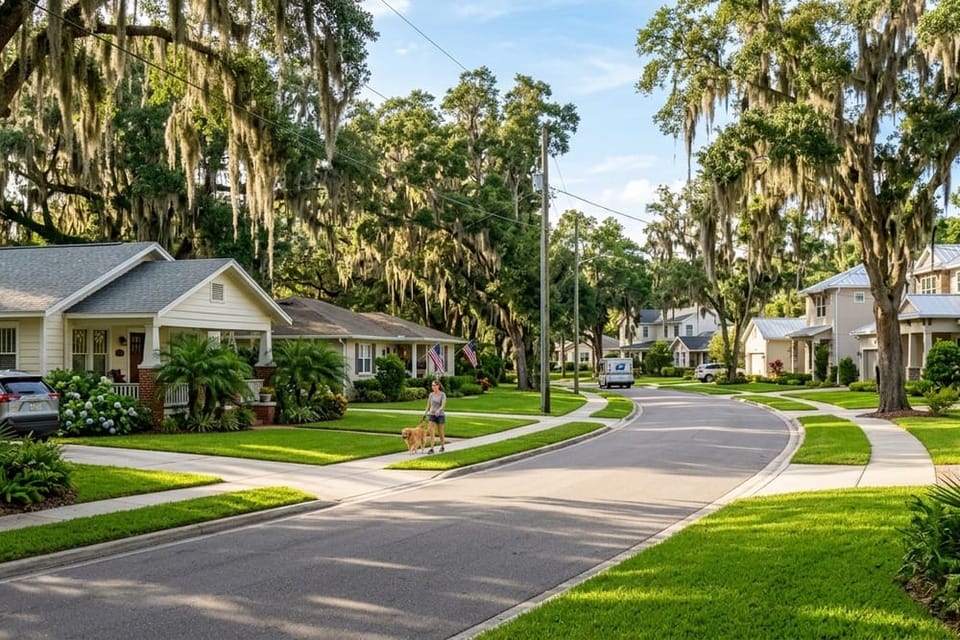
Moving to Ocala, Florida, means choosing more than a house. It means deciding what you want everyday life to look like. Some buyers want to live close to shopping and medical offices. Others prefer a larger yard, room for hobbies, or a quieter setting outside busy areas.
Ocala and Marion County offer established neighborhoods, newer communities, larger lots, and rural properties. Look for a location that fits your routine and budget, not just an attractive house. If you are curious about the types of people choosing the area and what they want in a home, read our guide to who is still moving to Ocala and what today’s buyers are looking for.
Start With Your Everyday Routine
Picture an ordinary weekday. Where will you buy groceries? How far will you travel for work, appointments, school activities, or family visits? Do you want restaurants and shops nearby, or would you rather drive farther for more space?
Ocala covers a broad area, and living in one part of town can feel different from living in another. A home may look close to a destination on a map but require more driving than expected. Test the routes you would use most often, especially at the times you normally travel.
List your regular destinations before comparing homes, rather than relying on a listing's claim that a property is conveniently located.
Decide How Much Space You Need
A larger home is not automatically a better fit. Extra bedrooms and oversized yards can be useful, but they can also add to cleaning, maintenance, utility use, and cost.
Consider whether you need a home office, guest room, hobby space, or room for visitors. A smaller home in a convenient location may serve you better than a larger home farther out.
Outdoor space matters, too. Some buyers want a manageable yard, while others need room for gardening, pets, equipment, or projects. If you want acreage, verify zoning and applicable restrictions before assuming you can use the property in a particular way.
Compare Established Neighborhoods and Newer Communities
Established neighborhoods may have mature trees, varied home styles, and older homes with character. Newer communities may offer modern floor plans and amenities such as walking paths or pools, but features and ongoing costs vary.
Look beyond a model home or staged listing. Check traffic, lot sizes, parking, drainage, and how closely homes sit together. If a community has a homeowners association, review its fees, rules, and restrictions that could affect your plans.
Choose based on the features you value and the costs you can manage.
Still deciding between a brand-new house and an established home? Our guide to new construction versus established neighborhoods in Ocala explains the differences buyers should consider when comparing home styles, locations, and costs.
Consider Nearby Communities
You do not have to limit your search to Ocala city limits. Nearby communities may offer different combinations of convenience, lot size, home style, and pace of life.
Belleview, south of Ocala, may be worth considering if you want access to Ocala while exploring another community. Dunnellon offers a different setting for people drawn to river recreation and a smaller-town feel. Silver Springs may appeal to buyers comparing properties with outdoor space, while Summerfield can be part of a broader search in southern Marion County.
Each community has different properties and conveniences. Visit the specific area and check the address for travel times, services, internet availability, and property rules.
Think About Transportation
A car is important for many residents in the Ocala area. If you hope to walk or bike to shops, parks, or work, check the route, sidewalks, traffic, and distance.
If being able to walk or bike to everyday destinations is important to you, read our guide to living in Ocala without a car. It explores walkability in the area and why checking the location of a specific home matters before making a decision.
If you commute, test the drive during the hours you expect to travel. If you work from home, confirm internet service at the property itself. Availability can vary from one address to another, particularly outside denser neighborhoods.
Consider whether the location works for everyone in your household and their transportation needs.
Look Beyond the Mortgage Payment
A home’s asking price is only part of the cost. Before making an offer, check homeowners insurance, property taxes, utilities, and HOA fees. Roof age and condition can affect insurance, so request a quote for the actual home.
Older homes may need repairs or updates. Newer homes can still come with landscaping costs, amenity fees, or association dues. Larger lots may require more mowing, tree care, fencing, and equipment. If a property uses a private well or septic system, understand its condition and potential maintenance needs.
Build a realistic budget that includes more than principal and interest. Leaving room for repairs and unexpected costs can help prevent an affordable-looking home from becoming a financial strain.
Check Details Before You Commit
A showing cannot answer every question. Ask your real estate agent to help identify issues to investigate, such as roof age, drainage, flood information, utilities, surveys, permits, or property restrictions.
If you are considering a home in an HOA, review the governing documents and understand the fees and rules before deadlines pass. If you want to add a fence, park a recreational vehicle, keep animals, or build a workshop, confirm what is allowed for that specific property.
Use inspections and appropriate due diligence to investigate concerns. If an answer requires a licensed professional or government office, get the information from the proper source rather than relying on assumptions or verbal promises.
Visit More Than Once
A neighborhood can feel different at different times of day and on different days of the week. If possible, visit in the morning, evening, and during a busier period. Notice traffic, noise, lighting, parking, nearby activity, and the condition of surrounding properties.
Take notes about what you liked, what concerned you, and which questions remain unanswered.
You may not find every feature you want. Decide what is essential and where you can compromise, so one attractive feature does not outweigh a daily inconvenience.
Find the Right Fit With Acarta Realty
Moving to Ocala or the surrounding Central Florida area is a major decision, and the right location depends on more than a city name or a home’s appearance. Your commute, budget, preferred lot size, maintenance comfort level, and plans for the future should all guide your search.
Acarta Realty helps buyers explore properties throughout Central Florida, from established neighborhoods and newer communities to properties with more land. A clear list of priorities can help your real estate agent narrow the search and identify questions to investigate before you make an offer.
Take time to compare the property, the surrounding area, and the costs that come with both. The best choice is not necessarily the biggest home or the newest development. It is the place that supports the way you want to live, fits your budget, and feels right after you look beyond the front door.