Is Ocala Walkable or Bike Friendly? Living Without a Car
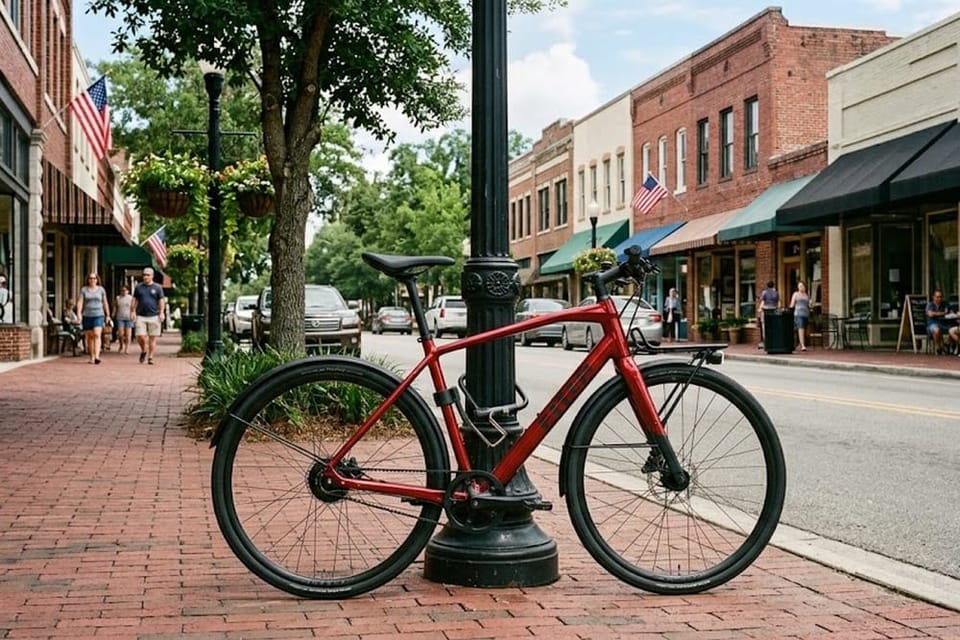
If you are picturing a life without a car in Ocala, it helps to know the truth before you sign on a home. Some buyers dream of walking to coffee shops, biking to work, or hopping on a bus instead of paying for gas and insurance. Ocala can offer a taste of that lifestyle in a few pockets, but it is not built the way older, denser cities are. Understanding where the walkable spots actually are will save you time, money, and frustration.
What Ocala's walk score actually means
Ocala is generally rated as a car-dependent city, and most neighborhoods score low on walkability. That does not mean walking is impossible. It means most errands, from groceries to doctor visits, are spread out across town rather than clustered within a few blocks. Downtown Ocala is the exception. The historic square has sidewalks, restaurants, shops, and events within walking distance of many nearby homes. If daily walking matters to you, downtown and a handful of nearby neighborhoods are where to focus your search.
Biking is a real option, with some limits
Cycling fares better than walking in this area. Ocala sits near the Santos Trailhead and the Cross Florida Greenway, both popular with mountain bikers and casual riders alike. Some roads have marked bike lanes, and the flat Florida terrain makes pedaling easier than in hilly cities. The catch is that many neighborhoods are still spread far apart, so biking works best for recreation or shorter errands rather than a full replacement for a car. Riders should also plan around Florida's heat, especially from May through September, and watch for stretches of road without dedicated bike lanes.
Public transportation and rideshare
Marion County runs a public bus system, SunTran, which connects several parts of Ocala. It is useful for commuters near main routes, but service is limited compared to larger metro areas, and reaching more rural addresses without a personal vehicle can be tough. Rideshare apps operate here too, though pickup times often run longer than in bigger cities since there are fewer drivers on the road. For anyone seriously considering car-free living, it is worth testing your daily route on the bus schedule before making an offer on a house.
Who car-light living actually suits
Living without a car works best for people whose daily life fits inside a small radius: retirees near downtown, remote workers who rarely commute, or buyers who mainly want recreational biking rather than car replacement. It is a harder fit for families juggling schools, sports, and errands across town, or for anyone working outside the immediate downtown core. Being honest about your daily routine before house hunting saves a lot of second-guessing later.
At Acarta Realty, we talk with buyers about this exact question, since so many people relocating to North Central Florida are coming from cities where walking and transit were the norm. Acarta Realty can point you toward the pockets of Ocala where walkability is real, not just marketed that way in a listing description.
Looking beyond Ocala in central Florida
Ocala is not the only option in the region, and nearby towns each have their own rhythm. Belleview, just south of Ocala, has a smaller, quieter downtown with a more rural feel and fewer walkable clusters, so a car is close to essential there. Dunnellon, known for its rivers and springs, draws buyers who want a slower pace and don't mind driving to reach shopping and services. The Villages, a massive retirement community south of Ocala, was actually designed with golf carts in mind rather than traditional walking, and many residents get around town squares and shopping plazas without ever touching a car. Silver Springs, home to the famous state park, is more spread out and geared toward nature lovers than pedestrians. Lady Lake, near The Villages, shares some of that golf-cart-friendly culture on certain routes.
Each of these towns has a different personality, and none of them mirrors a dense, walkable city up north. But some, like The Villages, have found creative ways around full car dependency that are worth exploring if a traditional car-free lifestyle is not realistic for your budget or needs.
What to ask before you buy
Before making an offer on any home in this region, map out your actual weekly routine. Where do you buy groceries? Where do you work? Where do your kids go to school? Plug those addresses into a walk score tool and see how the numbers hold up. Drive or walk the route yourself at the time of day you would normally travel it, including during Florida's hottest afternoons. A listing photo cannot show you how far the nearest bus stop really is, or whether the sidewalk disappears halfway there.
It also helps to ask a local agent who knows the difference between a walkable pocket and a neighborhood that only looks convenient on a map. Acarta Realty works with buyers across Ocala, Marion County, and the surrounding towns every day, and we can help you discover which streets actually support a car-light lifestyle and which ones will leave you stranded without a vehicle.
It is also worth asking about sidewalk maintenance and street lighting, since not every neighborhood keeps both in equal shape. Some older streets have gaps in the sidewalk network, while newer developments are built with pedestrians in mind from the start. A quick evening walk through a potential neighborhood can tell you more than any online walk score ever will.
The bottom line
Ocala is not a walker's paradise, but it is not a lost cause either. Downtown living, biking along the Greenway, or settling near a reliable SunTran route can all reduce how much you depend on a car. Just go in with clear eyes about the tradeoffs, and be willing to test your daily routine before you commit to an address.
If you are weighing a car-light lifestyle against a home purchase in Ocala or nearby towns like Belleview, Dunnellon, The Villages, Silver Springs, or Lady Lake, Acarta Realty can walk you through which neighborhoods genuinely fit that goal. Reach out to our team, and we will help you find a home that matches the way you actually want to live, not just the address on a listing.