
Buying a Home With a Well and Septic System in Central Florida
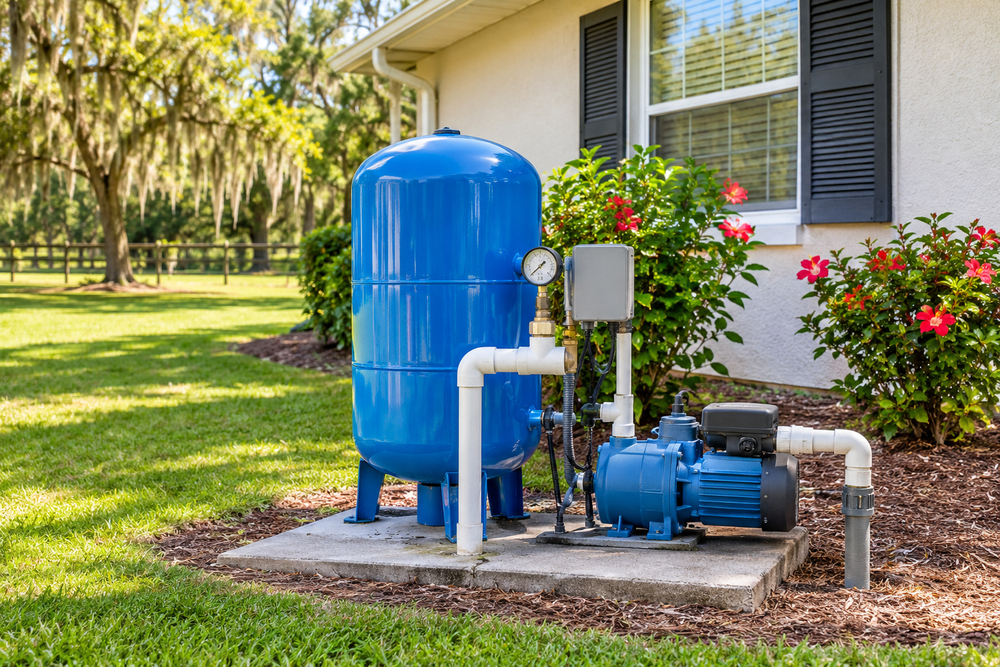
A home in Central Florida may offer more space, a larger yard, or a quieter setting. Some properties also come with a private well and septic system. These systems are common outside public water and sewer service. While they can work very well for homeowners, buyers should understand how they operate and what maintenance they may require before closing.
What Does It Mean When a Home Has a Well and Septic?
A private well supplies household water through a pump and pressure tank. A septic system handles wastewater. Water from sinks, showers, toilets, and other household drains flows into an underground tank, where solids settle. The remaining wastewater moves to a drainfield for further treatment in the soil.
Properly installed and maintained, both systems can serve a household for many years. The homeowner, however, is responsible for their upkeep.
Have the Well Water Tested
One of the first questions buyers should ask is whether the well water has been tested recently. Clear water is not necessarily safe water. Some contaminants cannot be seen, smelled, or tasted.
The Florida Department of Health recommends testing private well water for bacteria and nitrates at least once a year. It also recommends testing for lead in many circumstances and considering other tests based on the property's location and possible contamination sources.
Florida does not require private well water sampling every time a single-family home is sold. That does not mean buyers should skip it. A water test is a practical way to learn more about the supply before taking ownership.
Ask for recent test results. If none are available, discuss testing during the inspection period with your agent and a qualified laboratory. Your county health department can explain recommended tests.
See the Florida Department of Health's private well water testing guidance for more information.
Do Not Overlook the Well Equipment
Water quality is only one part of the picture. The equipment that brings water into the home should also be evaluated.
Ask about the age and condition of the pump, pressure tank, pipes, and water treatment equipment. Request maintenance records, repair invoices, and any well log showing construction details.
A showing is not a professional evaluation, so consider having a qualified well contractor assess the system. Ask whether a softener or filter needs regular service or replacement parts.
Get the Septic System Inspected
A septic system is underground, which makes it easy to forget about. Unfortunately, being out of sight does not mean it should be out of mind.
Request an assessment by an appropriately licensed septic contractor, plumber, or qualified professional. The evaluation may check the tank for cracks or leaks and look for problems in the drainfield.
Ask where both are located, when the tank was last pumped, and whether service records are available. A recent pumping does not prove the entire system is in good condition.
Keep the drainfield protected. Its location may limit where you can put a pool, shed, driveway, or addition.
The Florida Department of Health's homebuyer's guide to septic systems explains what an evaluation may include and why it can help buyers understand a system before purchase.
Understand Maintenance and Future Costs
A well and septic system can cost less to operate than monthly public water and sewer service, but they are not maintenance-free.
Septic tanks need periodic inspection and pumping based on household size, tank capacity, water use, and system condition. Florida's homebuyer guidance describes pumping every three to five years as a common maintenance interval. Ask a qualified contractor what schedule makes sense for the particular system.
A well may need service to its pump, pressure tank, or treatment equipment, and water testing should remain part of routine maintenance. Ask about equipment age and budget for future repairs.
Consider these expenses alongside property taxes, insurance, electricity, and general maintenance. Our guide to the real cost of owning a home in Central Florida covers other expenses that can affect a homeowner's budget.
Check Records, Permits, and Property Layout
Request available well records, septic permits, pumping receipts, and repair documents. County records may help, though older files can be incomplete.
Learn where the well, tank, and drain field sit on the property because their locations can affect future improvements.
If you plan to add a bedroom, pool, or accessory structure, check with the county and qualified professionals first. Added bedrooms or household use may affect what the septic system can handle.
Permitting contacts vary by county. In most Florida counties, the local county health department handles septic permitting and inspections. Some counties have transferred that responsibility to the Florida Department of Environmental Protection, so confirm which agency serves the property.
Questions to Ask Before Making an Offer
When viewing a home with a well and septic system, start with these questions:
- When was the well water last tested, and can I see the results?
- How old are the well pump and pressure tank?
- Is there a well log or a record of previous repairs?
- When was the septic tank last inspected and pumped?
- Are permits, service records, or a recent septic evaluation available?
- Where are the tank and drainfield located?
- Have there been backups, odors, drainage problems, or water-supply issues?
- Does the home have water treatment equipment that needs regular service?
These answers help identify needed inspections and issues to address during the contract period. Your agent can help coordinate deadlines while licensed professionals evaluate the systems.
If you are just beginning to look, our guide to starting your home search in Ocala and Central Florida can help you organize the first steps.
A Well and Septic Home Can Still Be a Great Fit
A home with a well and septic system can be a great fit, especially where public utilities are not available. The key is to test the water, evaluate the equipment and septic system, review records, and understand future maintenance.
At Acarta Realty, we encourage buyers to ask questions early and use qualified professionals to check the details. A little homework before closing can prevent an unpleasant surprise after the moving truck leaves.
And by all means, admire the backyard. Just locate the drain field before planning that swimming pool.