Buying Rural Property in Florida: A First-Time Buyer’s Guide to Zoning, Wells and Septic Systems
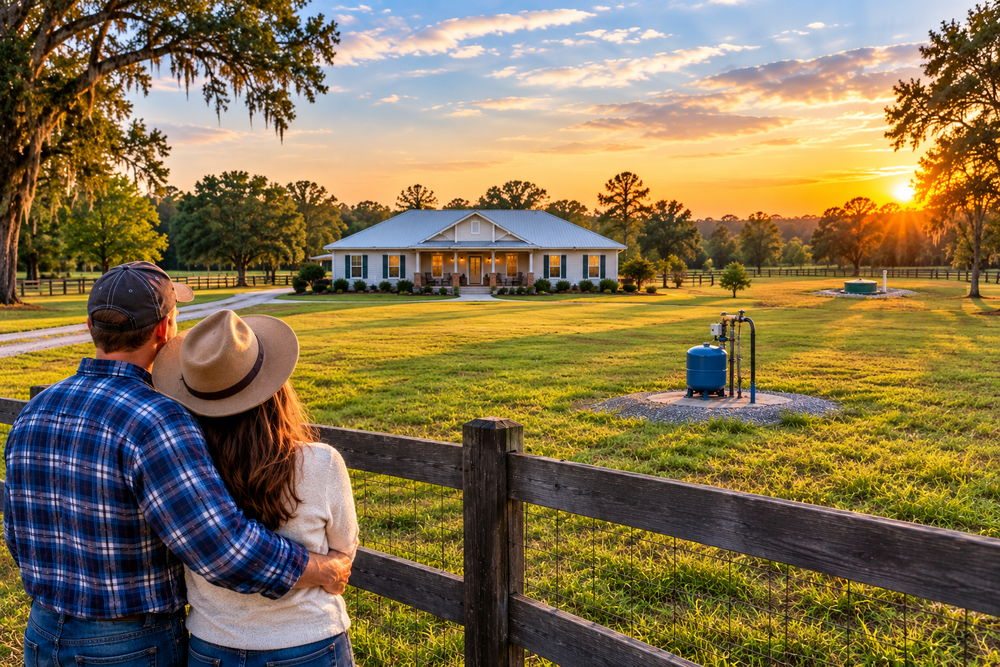
Buying your first home is exciting if you picture more land, fewer neighbors, and outdoor space. Around Williston and throughout Central Florida, rural homes and acreage can offer that lifestyle. However, a property outside a traditional subdivision may come with a well, septic system, zoning rules, easements, and land-use limits that are easy to overlook.
Before falling in love with a property, learn what you can and cannot do. Research can prevent expensive surprises.
If you are still deciding where to begin, our guide to where to start your home search in Ocala and Central Florida can help you take the first steps.
Understand the Property’s Zoning
Zoning rules explain how a property may legally be used. Rules may affect whether you can build, keep animals, operate a business, park an RV, or add structures.
Do not assume a property’s current use proves that the use is allowed. A shed, extra dwelling, or business activity may be nonconforming or lack required permits. Ask the county or city planning department to confirm the parcel’s zoning and permitted uses.
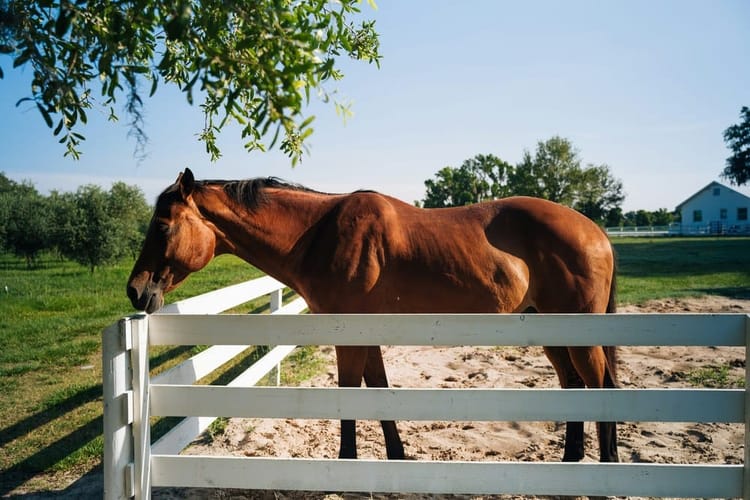
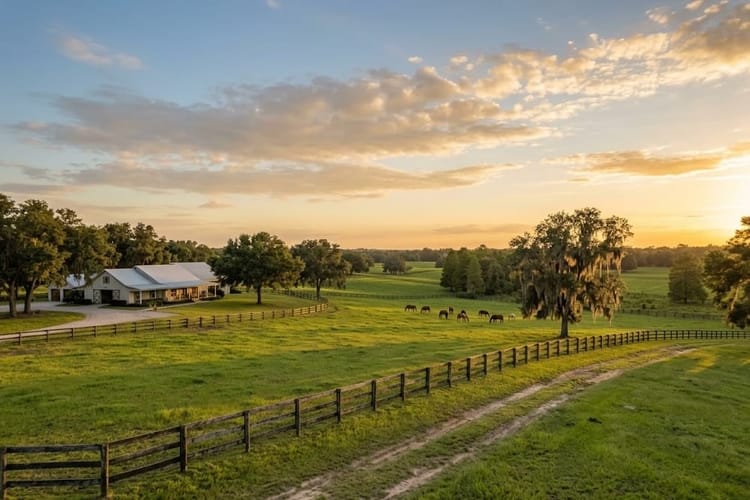
If you plan to buy acreage near Williston for horses, gardening, or a workshop, check the rules for the exact parcel rather than relying on what a neighbor does.
Check Land-Use Rules Before You Make Plans
Zoning is only one part of the picture. Even without an association, recorded restrictions or utility easements may limit building.
For a garage, fence, guest space, or pool, ask what approvals are needed. Confirm setbacks—the required distances between buildings and property lines—and whether permits are needed for driveways or accessory buildings.
Do not rely only on a seller’s statement that you can build something later. Get the rules checked before your inspection or financing deadlines expire. Acarta Realty can help buyers identify questions to ask, but the relevant government office is the place to confirm zoning, permits, and land-use requirements.
Know What Comes With a Septic System
Many homes outside developed areas use a septic system instead of public sewer. Wastewater flows from the house into an underground tank and then into a drain field, where it is treated by the soil. A maintained system can work well, but repairs can be costly.
Ask for septic permits, repair history, and prior inspection reports. Arrange for a qualified professional to inspect the system during the purchase process. Do not assume that toilets flushing during a showing means the system is healthy; a problem may be underground and not obvious during a short visit.
Find out where the tank and drain field are located. Avoid planning a garage, pool, driveway, or heavy vehicle parking over these areas. The drain field needs suitable space and should not be treated as extra building land.
If you are buying vacant land, do not assume a septic system can be installed simply because nearby homes have one. Soil conditions, space, drainage, setbacks, and local requirements all matter. Contact the appropriate permitting agency before committing to building plans. In Marion County, septic permitting is handled by the Florida Department of Environmental Protection; in Levy County, contact the county health department for current guidance.
Test the Well Water
A rural home may use a private well rather than public water. The owner is generally responsible for maintenance and arranging water testing. Florida does not require private-well sampling every time a home is sold, so buyers should request testing instead of assuming it has been done.
Ask for recent test results and service records. Consider testing for coliform bacteria, nitrates, and lead through a certified drinking-water laboratory. A water test checks quality; it does not tell you everything about the well’s condition.
Have the well equipment reviewed. Ask about the pump, pressure tank, age, and past repairs. Learn where the well is located and whether it is properly separated from the septic system. If water has an unusual smell, color, or taste, do not dismiss it as normal without testing.
Confirm Boundaries, Access, and Easements
A large-looking yard does not always show legal boundaries. Review the survey, if available, and consider ordering an updated one if boundaries are unclear. Fences do not always sit on the property line.
Check legal access. Some parcels use a shared private road or an easement across another property. Confirm who maintains the road, who pays for repairs, and whether access rights are documented. Look for drainage concerns and standing water, ask about past flooding, and review flood-zone information.
Budget for Rural Property Ownership
A lower purchase price does not always mean lower ownership costs. Budget for well repairs, septic maintenance, private roads, fencing, and tree work. Internet and cell service can also vary by road and address, so check both before making an offer if you work from home.
Ask your insurance agent what coverage is available and what it may cost. Ask whether the home’s age, roof, or outbuildings affect insurability. For vacant land, clarify the cost of bringing in power, water, access, and other services.
Build a cushion into your budget for unexpected repairs. It is better to discover a problem while you still have time to negotiate than after the keys are in your hand.
Do Not Skip Due Diligence on Vacant Land
Buying land to build on can be more complicated than buying an existing home. If you are considering acreage, explore our guide to owning an acre in the heart of Ocala Horse Country to learn more about rural property opportunities in Central Florida. Before closing, verify that the parcel has legal access and that your intended home can meet zoning, setback, septic, well, and building requirements. Ask about wetlands, protected areas, and drainage conditions that could limit where you build.
Do not assume that a parcel advertised as “buildable” has received every approval you need. Get confirmation from relevant county or city departments, and consult qualified professionals when necessary. If your plans depend on adding a second dwelling, keeping animals, or running a business, research those uses before making an offer.
Make Your First Rural Home Purchase a Confident One
Rural living around Williston and Central Florida can offer space, privacy, and flexibility, but the right property must fit both your lifestyle and your plans. Before closing, verify zoning and restrictions, inspect the septic system, test the well water, review access and boundaries, and estimate the true cost of ownership.
For more insight into country living, read our guide to rural living in Ocklawaha, Florida.
Keep copies of permits, inspection reports, surveys, and written answers from local agencies. If an important question remains unanswered, do not assume it will work out after closing.
Acarta Realty helps buyers explore homes and land in Williston and across Central Florida. With the right questions and careful preparation, first-time buyers can look beyond listing photos and make a decision based on what the property really offers.