What Is Earnest Money? A Simple Guide to Escrow Deposits
Buying a home is exciting, but it can also feel confusing. One of the first questions many buyers ask is, "What is earnest money?" You may also hear people talk about an escrow deposit. These terms are closely connected, and understanding them can help you avoid costly mistakes.
If you're buying a home in Ocala, Belleview, Silver Springs, Dunnellon, The Villages, or anywhere else in Central Florida, this guide will explain everything in simple language. At Acarta Realty, we believe buyers should understand every step of the home-buying process before signing a contract.
What Is Earnest Money?
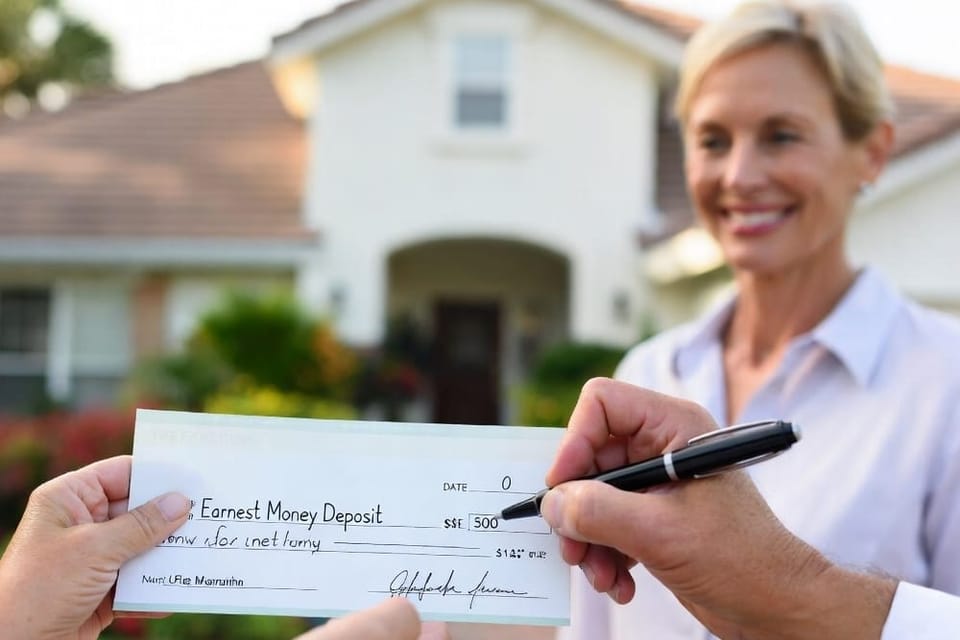
Earnest money is a good-faith deposit a buyer makes after a seller accepts an offer. It shows the seller that the buyer is serious about purchasing the home.
Think of it like making a promise with your wallet. Instead of simply saying you want the house, you're putting money behind your commitment.
The money is not an extra fee. If everything goes as planned and the sale closes, the earnest money is usually credited toward your down payment or closing costs. In other words, it becomes part of the money you're already paying to buy the home.
What Does "Escrow" Mean?
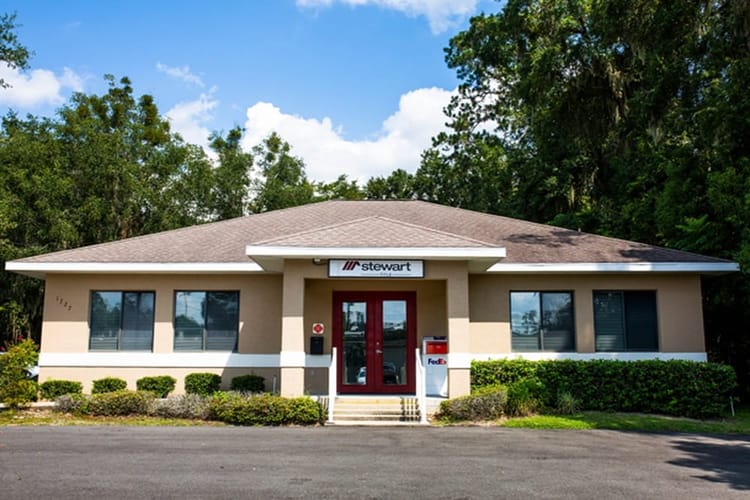
Escrow is simply a safe place where the earnest money is held while the home purchase is being completed.
The money is usually held by a neutral third party, such as a title company or another approved escrow holder. Neither the buyer nor the seller has direct access to the funds while the transaction is in progress.
This protects everyone involved and helps ensure the money is only released according to the purchase agreement.
How Much Earnest Money Is Usually Required?
There is no single amount that works for every home purchase.
Many buyers put down around 1% to 3% of the home's purchase price, although the amount can vary depending on the local market, the home's price, and the strength of the offer. In a competitive market, offering a larger earnest money deposit may help your offer stand out.
For example:
- A $250,000 home may have an earnest money deposit of $2,500 to $7,500.
- A higher-priced home may require a larger deposit.
- Sometimes buyers and sellers negotiate a flat dollar amount instead.
Every transaction is unique.
When Do You Pay Earnest Money?
In most cases, you don't hand over earnest money when you first look at a home.
Instead, the payment is typically made shortly after your offer has been accepted and both parties have signed the purchase contract. The contract will explain when the deposit is due and where it should be delivered.
Always follow the deadlines in your contract. Missing them could create problems with your purchase.
Can You Get Your Earnest Money Back?
This is one of the biggest concerns buyers have.
The answer is yes—often you can, but it depends on the terms of your contract.
Many real estate contracts include contingencies that protect buyers. These may include:
- Financing contingency
- Home inspection contingency
- Appraisal contingency
- Title contingency
If one of these contingencies isn't satisfied within the agreed time period, you may be entitled to receive your earnest money back.
However, if you simply change your mind after those protections expire, you could lose some or all of your deposit. That's why it's important to understand every deadline in your contract.
Can the Seller Keep the Deposit?
Sometimes, yes.
If a buyer fails to follow the terms of the contract without a protected reason, the seller may have the right to claim the earnest money.
Remember, the seller has likely taken the home off the market while waiting for the transaction to close. If the buyer walks away without a valid contractual reason, the seller may have lost valuable time and other potential buyers.
Every situation is different, and the purchase agreement determines what happens next.
Does Earnest Money Make Your Offer Stronger?
It certainly can.
Imagine a seller receives two offers that are nearly identical.
One buyer offers a very small earnest money deposit.
The other buyer offers a larger deposit that shows confidence and financial readiness.
Many sellers see the larger deposit as a sign that the buyer is committed to completing the purchase. While price, financing, and other terms are still important, earnest money can sometimes help strengthen an offer.
Does Every Home Purchase Require Earnest Money?
Not always.
Some transactions involve very small deposits, while others may not require earnest money at all. However, in most traditional residential real estate transactions, earnest money is common and expected.
The amount is always negotiable between the buyer and seller.
Why Working With the Right Realtor Matters
Earnest money may sound simple, but the deadlines, contract language, and contingency periods can become confusing.
That's one reason many buyers choose to work with experienced professionals.
At Acarta Realty, we help buyers throughout Ocala, Belleview, The Villages, Silver Springs, Dunnellon, and surrounding Central Florida communities understand every part of the transaction before moving forward.
Our goal is to explain everything in plain English so there are no surprises along the way.
Common Myths About Earnest Money
Let's clear up a few misunderstandings.
Myth: Earnest money is an extra cost.
Truth: It usually becomes part of your down payment or closing costs.
Myth: The seller immediately gets the money.
Truth: The funds are generally held safely in escrow until the transaction is completed or terminated according to the contract.
Myth: Buyers automatically lose the deposit if the deal falls apart.
Truth: Many contracts include contingencies that may allow buyers to recover their earnest money if certain conditions aren't met.
Understanding these facts can help buyers feel much more confident during the purchase process.
Final Thoughts
Buying a home in Central Florida should be exciting—not stressful. Understanding earnest money and escrow deposits is one of the easiest ways to feel more confident when making an offer.
Whether you're purchasing your first home in Ocala, downsizing in The Villages, or searching for property near Silver Springs or Belleview, knowing how earnest money works helps you make smarter decisions.
If you're thinking about buying or selling a home, the experienced team at Acarta Realty is here to guide you through every step of the process. We'll explain the paperwork, answer your questions, and help make your real estate transaction as smooth as possible.
A little knowledge goes a long way, and understanding earnest money today can help you avoid expensive surprises tomorrow.