What Homebuyers Need to Know About HOAs in Lady Lake and Central Florida
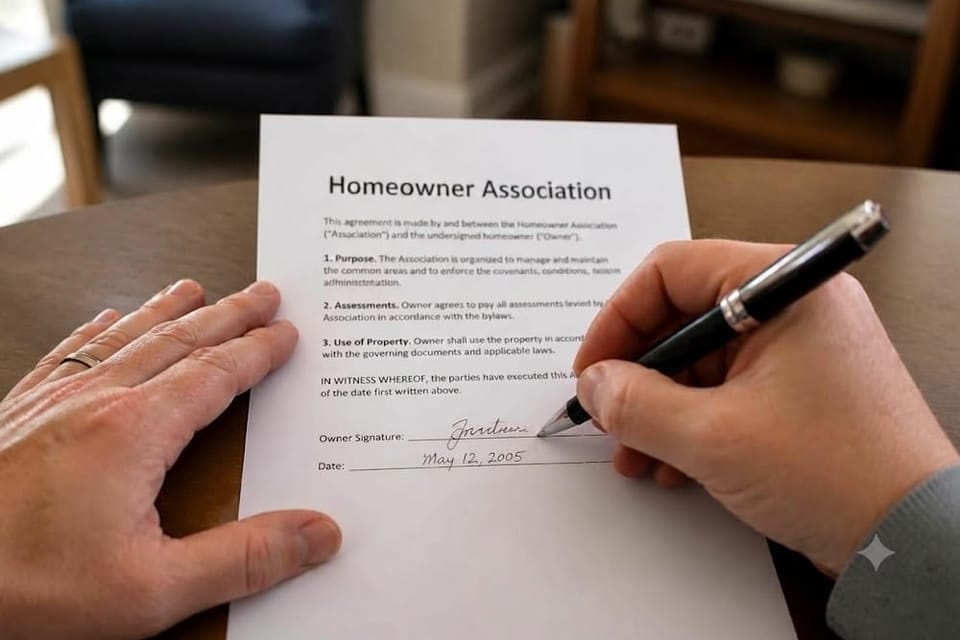
If you’re shopping for a home in Lady Lake or nearby Central Florida towns like Belleview, Dunnellon, Inverness, Crystal River, or The Villages, you’ll probably ask: Does this home have an HOA?
HOAs (Homeowners Associations) can affect your monthly budget, what changes you can make to the property, and how strictly community rules are enforced. The good news is HOA basics are similar in most places—so once you know what to look for, you can compare neighborhoods with more confidence. And that’s where Acarta Realty can help you focus on the details that matter for your lifestyle and your budget.
What Is an HOA?
An HOA is an organization created to manage a community. If you buy a home inside that community, you usually agree to:
- Follow the HOA’s rules
- Pay HOA dues (monthly or sometimes quarterly)
Those dues help run the association and maintain parts of the community homeowners share—like common landscaping, community amenities, or other shared areas. Around Lady Lake and much of Central Florida, HOAs are common because many neighborhoods were built as planned communities with consistent standards.
Some HOAs are fairly simple and easy-going. Others are more structured and strict. Either way, once you buy, the HOA becomes part of owning the home—not optional “extras.”
Who Runs the HOA?
Most HOAs are run by a board of directors. In many communities, homeowners are part of the board, and early on the developer may have more control while the neighborhood is still being built out. The board’s job is to keep the community operating and protected, which typically includes:
- Managing the HOA’s finances
- Hiring help/management if needed
- Enforcing community rules
- Overseeing shared-area maintenance
- Approving certain improvements
A practical point: an HOA is only as strong as its leadership and financial planning. That’s why Acarta Realty often recommends treating HOA review like part of due diligence, not just something you skim at the end of a showing.
The Rules: CC&Rs and Other HOA Documents
HOA rules come from governing documents. You’ll often see CC&Rs (Covenants, Conditions, and Restrictions). CC&Rs explain restrictions in detail and show what homeowners must follow.
CC&Rs commonly cover:
- Exterior appearance standards (yard, landscaping, sometimes paint)
- Parking rules (including limits on trailers or boats)
- Fence and outbuilding rules (type, size, placement)
- Rental rules (some restrict rentals or require approval)
- Pet rules
- Approval requirements for visible changes
Two neighborhoods can look similar from the street, but the CC&Rs—and how the HOA enforces them—can be very different. This is one of the most common reasons buyers feel surprised after closing. Acarta Realty helps buyers connect “what the documents say” to “how it affects your daily life,” especially if you’re planning changes to the property.
What Do HOA Fees Pay For?
HOA dues fund the HOA’s responsibilities. Depending on the community, dues may go toward:
- Common area maintenance and landscaping
- Insurance for shared structures and community areas (often not your personal home)
- Repairs and upkeep of amenities (if the community has them)
- Management and administrative costs
- Reserve funds for future projects
Reserves matter because communities eventually need major repairs—like pavement work, major landscaping renewals, or roof-related replacements for shared buildings. If reserves are weak, the HOA may raise dues later or require a special assessment (an extra payment).
When Acarta Realty compares homes, it’s not just “which HOA is lower.” It’s also whether the fees match what you’re getting and whether the HOA appears financially healthy for the long term.
How to Budget for HOA Costs
HOA dues are commonly billed monthly, but some communities use quarterly billing. Either way, treat HOA dues as a real and ongoing cost of owning the home.
A simple habit: don’t qualify for the home based only on the mortgage payment. In HOA neighborhoods across Central Florida—whether you’re looking near Summerfield, Ocklawaha, Weirsdale, Citra, or other nearby areas—the HOA portion of your monthly housing cost can be significant.
Also ask what the HOA covers and what it doesn’t. You want to know what’s included in dues versus what you’d handle yourself.
HOAs vs. Gated Communities vs. Non-HOA Neighborhoods
People often mix these up:
- HOA = rules and dues
- Gated community = controlled access
- Non-HOA neighborhood = typically fewer association rules (but may still have limitedrestrictions)
A community can be gated and have an HOA, gated with different arrangements, or not gated at all. So don’t assume based on gates alone. Always ask the direct question: “Is there an HOA, and what are the rules and dues?”
This is especially important when comparing communities around Inverness, Hernando, Crystal River, or areas connected to larger lifestyle developments.
Benefits of Living in an HOA Community
HOAs can be a good fit if you like a consistent neighborhood look and organized upkeep. Potential benefits include:
- Better-kept shared areas and landscaping
- Organized maintenance of amenities
- Clear standards that can reduce neighborhood disputes
- A more consistent “feel” across the community
For buyers who want structure and predictability, HOAs can make the community easier to manage and easier to live with—if the rules match your preferences.
Downsides to Consider
HOAs can also be frustrating when your plans don’t align with the rules. Common issues include:
- Restrictions on exterior changes
- Approval processes for improvements
- Enforcement actions or fines for violations
- HOA dues that increase over time
- Special assessments for major repairs
This doesn’t mean you must avoid all HOAs. It means you should understand the tradeoff upfront. If you plan to rent the property, change landscaping, add something visible, or keep certain vehicles, HOA rules may affect what you can do.
Quick Checklist: How to Check an HOA Before You Buy
Use this checklist when evaluating a home in Lady Lake and nearby Central Florida towns:
- Confirm whether the home has an HOA and what the monthly/quarterly dues are
- Ask what the dues cover (amenities, maintenance, insurance, management, reserves)
- Request HOA documents, especially CC&Rs
- Identify rules that affect you directly (rentals, pets, parking, exterior changes)
- Ask about special assessments and reserve strength if that information is available
- Ask how enforcement works in practice—not just what the documents say
Acarta Realty can help you ask these questions and interpret the HOA details so you can make a confident decision before you commit.
Final Thoughts for Lady Lake Buyers
In Lady Lake and across Central Florida, HOAs work through governing documents and an HOA board that manages dues, shared maintenance, and rule enforcement. The biggest differences between communities are the CC&Rs, how fees are structured, the strength of reserves, and how strict the HOA is when enforcing rules.
So when you’re touring near Belleview, Dunnellon, Inverness, Crystal River, or other nearby areas like Williston or Beverly Hills, treat the HOA as part of the buying decision—not background information. And if you want a smoother process, Acarta Realty can help you compare HOA communities with clarity so you choose a home that fits your life.