Rented Lot vs. Owned Land: What Ocala Mobile Home Owners Need to Know
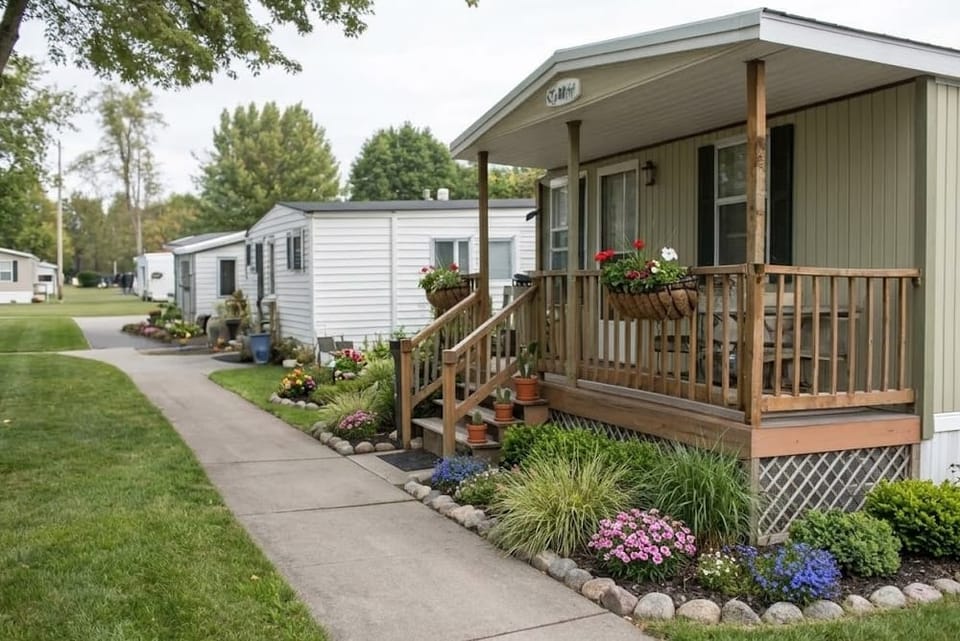
If you live in a mobile home and pay monthly rent for the ground it sits on, you might assume that makes you a property owner. It's an easy mistake to make, and it's one we hear often here at Acarta Realty. The truth is, renting a lot is not the same as owning real estate, and understanding this difference can save you money, headaches, and confusion down the road. Whether you're in Ocala, Belleview, or a smaller town like Dunnellon, this distinction matters more than most people realize.
What Does It Mean to Rent a Lot?
Many mobile home communities across Central Florida work like this: you own the home itself, but you pay monthly "lot rent" to the community owner for the piece of land underneath it. That land belongs to someone else, usually a park owner or management company. You are, in every legal sense, a tenant. You do not hold a deed to the dirt. If the park is sold, changes its rules, or raises rent, you have very little control over the outcome because you never owned the ground in the first place.
This setup is common and can be a perfectly good, affordable way to live. Lot rent often includes access to shared amenities, maintenance of common areas, and sometimes utilities, which can make monthly budgeting simpler. But no matter how nice the community is, it is fundamentally different from owning real property, and it's important not to confuse the two.
What Makes a Property "Real Estate"?
Real estate, or real property, means you own both the land and anything permanently attached to it, such as a home, garage, or well. Ownership is recorded with the county through a deed, and you pay property taxes on the land and any structures. You can sell it, pass it down, borrow against it, or build on it, because it is legally yours.
For a mobile home to be considered real property, it usually has to meet a few conditions. It must sit on land the homeowner actually owns, be permanently affixed to a foundation, have its wheels and axles removed, and be retitled with the county as real property instead of personal property, similar to a car title. Once that happens, the home and land are treated as one real estate asset, just like a traditional site-built house.
The Big Difference: Ownership vs. Occupancy
Here is the simplest way to think about it. Renting a lot means you have the right to occupy a space. Owning real estate means you have legal title to that space. One can be taken away or changed by someone else's decision. The other is yours, protected by a deed and recorded in public records.
This difference matters for financing, too. Traditional mortgages are built around real property. If you rent your lot, you typically cannot get a conventional home loan, because lenders need land as collateral. Instead, buyers often use personal property loans, sometimes called chattel loans, which usually carry higher interest rates and shorter repayment terms. It also affects insurance, since insuring a home on rented land often looks more like insuring a vehicle than insuring a house.
Why This Matters for Buyers and Sellers
This distinction becomes especially important when it's time to sell. A home on owned land tends to hold and build value over the years, much like any other house in Marion County. A home on a rented lot, on the other hand, often depreciates like a vehicle, because you're only selling the structure, not the ground beneath it. Buyers also need financing that matches what they're actually purchasing, so misunderstanding this upfront can derail a sale.
We see this come up regularly with folks searching for affordable housing options in Silver Springs, Lady Lake, and even out toward Williston. Some sellers list a mobile home as if it were regular real estate, when in fact it sits in a rental community. Being upfront about which situation applies avoids wasted time and disappointed buyers.
A Quick Way to Check
If you're not sure which situation applies to you, start with your tax bill. Real property is taxed as land and structure together, while a mobile home on a rented lot is usually taxed separately as personal property. You can also call the Marion County Property Appraiser's office or ask your community manager directly whether the lot is deeded or leased.
Why Location Still Matters
Central Florida offers a wide range of housing types, from acreage in Ocklawaha to riverfront lots and quiet neighborhoods throughout the region. Whether you're comparing a rented lot in a community versus buying land outright in Dunnellon, or weighing a small in-town lot against acreage near Belleview, knowing exactly what you're buying protects your investment. Land ownership tends to hold value over time, while a rented lot ties your housing cost to someone else's decisions.
The Bottom Line
Renting a lot can be a smart, budget-friendly choice for the right person, but it is not the same as owning real estate. Knowing the difference protects you from surprises, helps you plan for the future, and makes sure you understand exactly what you're paying for each month. If you're weighing your options in Ocala, Marion County, or anywhere across Central Florida, the team at Acarta Realty is happy to walk you through what ownership really looks like in your situation. Understanding the fine print now can save you a lot of stress later, and our agents at Acarta Realty are always glad to answer your questions before you sign anything.
If you're currently renting a lot and thinking about making the jump to owning real property, or you simply want an honest opinion on a piece of land or a home you've found, reach out to Acarta Realty. We know Central Florida, from Ocala to the smaller towns nearby, and we're here to help you make a confident, informed decision.