DIY Cameras vs Professional Security Systems in Central Florida
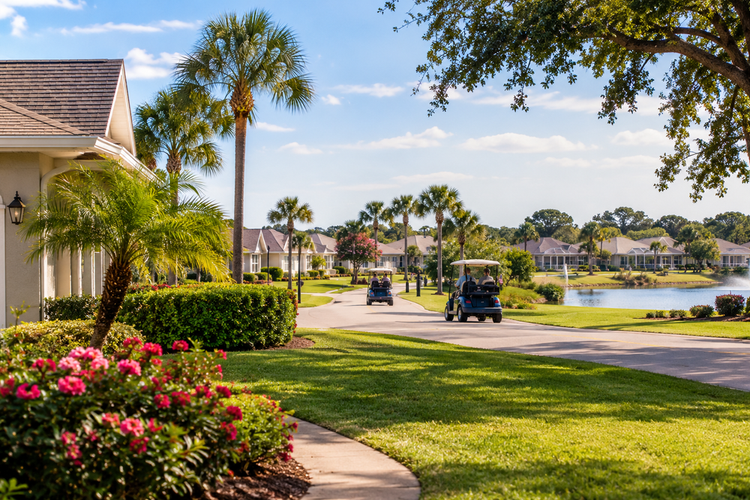
Buying a new home is exciting—especially when you’re moving into the Central Florida lifestyle near The Villages. The area’s active outdoor pace, friendly neighborhoods, and strong sense of community are big draws for many people. After closing day, most new homeowners start asking the same two questions: Do I really need a professionally installed security system, or is it okay to just install cameras on my own? And how do I avoid scams when security companies come knocking? This article answers both clearly and helps you make a practical decision—without confusing jargon.
Why Security Systems Still Matter (Beyond Video)
A security system is more than a camera. Cameras record what happens, but a complete system can also detect entry sooner and alert you faster. Depending on the setup, a security system can include:
- Door and window sensors (entry detection)
- Motion sensors (movement detection in key areas)
- Glass-break detection (for vulnerable windows)
- A siren or alarm (deterrence and immediate response)
- Optional professional monitoring (so help can be contacted when needed)
Professional systems typically focus on coverage and reliability. They consider common entry points: front doors, back doors, garage entry, side windows, and areas that are less visible from the street. When those pieces work together, the system becomes easier to use and more effective.
Even if your main goal is safety, not “detecting crimes,” the peace of mind matters. You don’t want to wait until after something happens to realize you missed a critical moment.
Are DIY Cameras Good Enough?
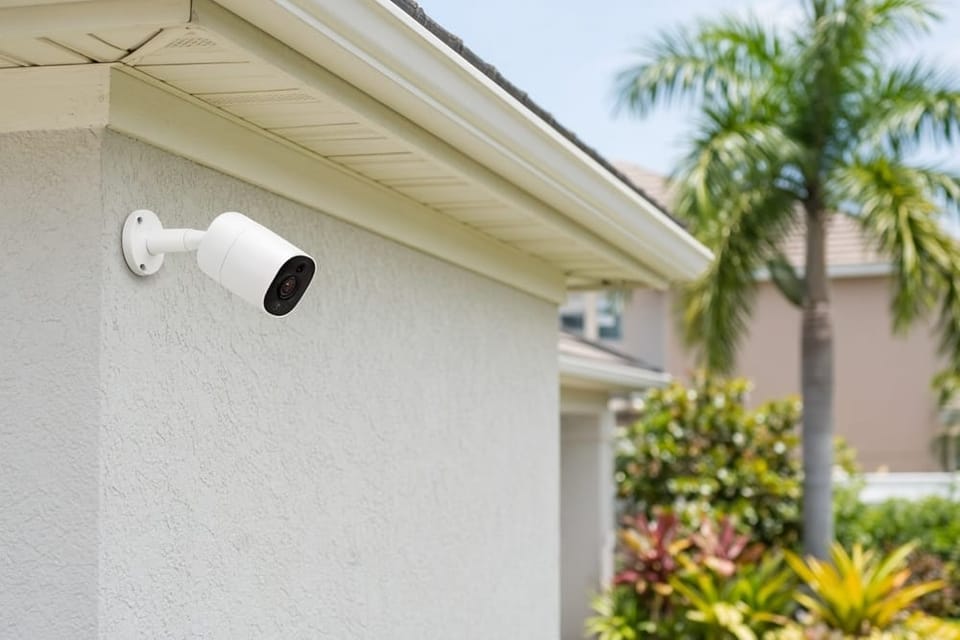
DIY cameras can be a good choice—especially if you want a straightforward way to watch key areas. For many homeowners, cameras are an excellent first step because they provide visible deterrence, record footage, and let you check alerts from your phone.
A camera-only approach can be “good enough” when:
- You place cameras at likely approach points
- You can clearly capture faces, not just “movement”
- Your settings are correct (motion zones, sensitivity, schedules)
- You have strong internet and stable power
- You review notifications and can respond quickly
But there’s a catch: cameras don’t always prevent entry. If someone gets to a door or window that isn’t well-covered—or if the camera angle misses details—the footage may be less useful than you hoped. Lighting matters too. Night glare, rain, and shadows can reduce clarity. Also, if you’re relying on Wi-Fi cameras, you must ensure signal strength is strong enough to avoid missed events.
So the question becomes not “Are cameras useful?” but “Will cameras cover your home the way you need them to?”
When Cameras Alone May Fall Short
Even a solid DIY camera setup may fall short in a few real-life scenarios:
- Coverage gaps: If one side of your home is hidden by landscaping or fences, you might not get useful footage.
- No entry detection: Cameras can record movement, but they may not alert you instantly when a door opens.
- False confidence: People sometimes assume “the camera will catch it,” even when the camera can’t see the critical entry point.
- Poor alert setup: Too many notifications can cause people to ignore them, which defeats the purpose.
- Storage problems: If you don’t understand how long footage is kept or how to access clips, you may lose evidence quickly.
That’s why many homeowners choose a hybrid plan: cameras for visibility and evidence, plus sensors for fast detection and better alerting.
Watch Out for Scams in New Moves
When moving to Lady Lake, Belleview, or another Central Florida community, you may notice more door-to-door activity. Security-related sales attempts are common, and some are legitimate—but some are scams or predatory offers.
Here are red flags that should make you pause:
- Pressure to decide immediately (threats, urgency, or “sign now” language)
- “Free equipment” claims that come with hidden contract terms
- Confusing contract length or vague monthly pricing
- Claims they are government-approved or “officially required” (often not true)
- Refusal to provide clear written details of pricing, monitoring, and cancellation terms
A real provider can explain what you’re getting, how it works, and what it costs in plain language. A scam tends to rush you, overwhelm you, or hide the important parts.
How to Choose: Professional System vs. DIY Cameras vs. a Hybrid
A simple way to decide is to think in layers: deterrence, detection, and response.
- Deterrence: Cameras with visible presence, lighting, and signage can discourage casual theft.
- Detection: Sensors detect entry even if someone doesn’t trigger “motion” the way cameras do.
- Response: Monitoring and alert workflows help you react quickly.
Here’s a straightforward guide:
- If you want basic protection and clear footage, start with DIY cameras—but plan placement carefully.
- If you want faster detection and a more complete safety response, consider a professionally installed security system.
- If you want the best of both worlds, do DIY cameras plus professional sensors or partial installation.
Practical Checklist Before You Install Anything
Before you pay for equipment or sign a contract, take time for this quick checklist:
- Identify your most likely entry points: front door, back door, garage door, side windows, and gate access.
- Place cameras to capture faces, not just general movement.
- Test night performance. Walk around outside after dark and check image clarity.
- Set motion zones so trees, shadows, and traffic don’t create constant false alerts.
- Use strong passwords and keep your app updated.
- Plan what you will do with alerts. Who responds? What steps happen next?
- Understand storage. Know whether video is saved locally, cloud-based, and for how long.
This checklist matters whether you’re going DIY or working with professionals.
Final Answer: Is a Security System Important, or Are Cameras Enough?
Cameras you install yourself can be a solid starting point. They can deter entry, capture evidence, and help you monitor your home. But if you want the strongest overall protection—especially for faster detection and coordinated response—a professionally installed security system is usually better than cameras alone.
The best choice is the one that matches your home’s layout and your personal response plan. For many homeowners across Central Florida, a hybrid approach offers a practical balance: cameras for visibility and footage, plus sensors and professional help where it counts.
If you’re moving into new surroundings—near The Villages, Lady Lake, or Belleview—and you want peace of mind, take your time. Plan your coverage. Avoid high-pressure scams.